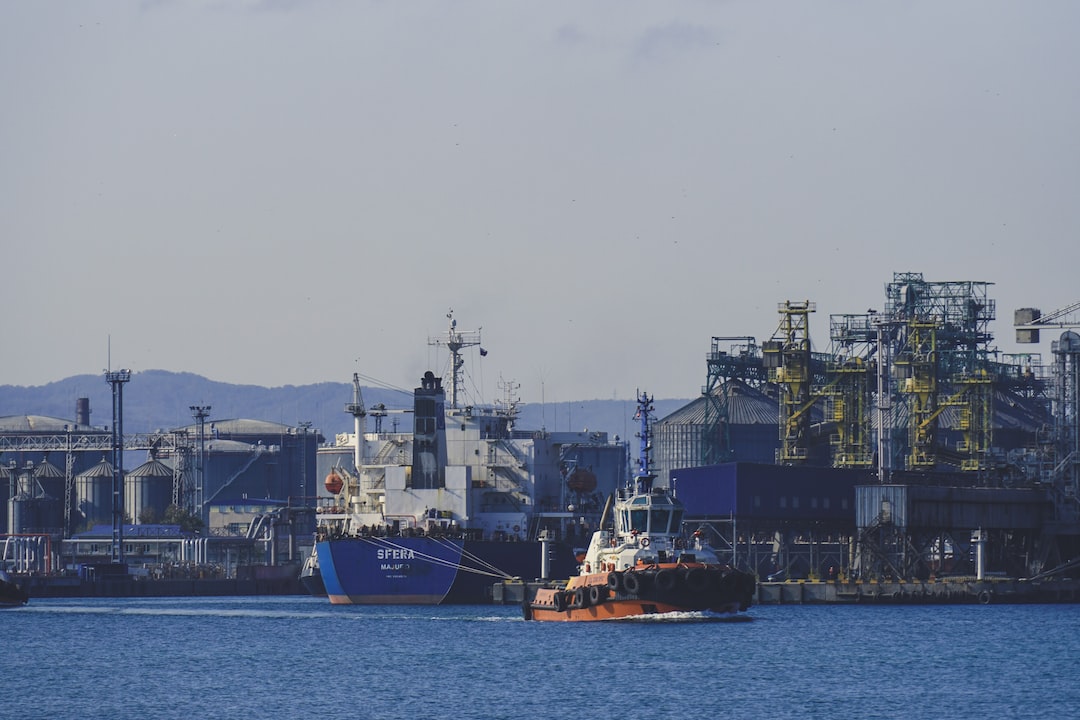
International trade plays a crucial role in the global economy, with millions of tons of goods being exported and imported across borders every day. Behind the scenes, freight forwarders serve as the unsung heroes, orchestrating the seamless movement of goods from one country to another. In this blog post, we will delve into the vital role played by freight forwarders in the export and import process.
First and foremost, it’s important to understand the responsibilities shouldered by freight forwarders. They act as intermediaries, bridging the gap between exporters and importers, ensuring the smooth flow of goods throughout the supply chain. From coordinating transportation and managing documentation to navigating the complexities of customs clearance, freight forwarders are indispensable in facilitating international trade.
Customs clearance can be a daunting hurdle for exporters and importers to overcome. However, freight forwarders are well-versed in the intricacies of customs procedures, diligently handling the necessary paperwork and interfacing with customs authorities on behalf of their clients. This expertise helps expedite the clearance process, minimizing delays and ensuring the timely arrival of goods.
Transportation is another key aspect that freight forwarders excel at. They have a deep understanding of various modes of transportation such as air, sea, rail, and road, and leverage this knowledge to select the most efficient route for transporting goods. Coordinating with shipping lines, airlines, trucking companies, and other supply chain partners, freight forwarders optimize logistics to minimize costs and transit times.
Freight forwarders play a critical role in managing the extensive documentation required for international trade. From obtaining necessary permits and licenses to preparing commercial invoices and bills of lading, they navigate the complexities of documentation with precision, ensuring compliance with regulations and minimizing the risk of delays or penalties.
Ensuring Smooth Customs Clearance: The crucial role of a freight forwarder in navigating complex customs procedures to ensure the efficient movement of goods.
A freight forwarder plays a pivotal role in ensuring the smooth clearance of goods through the intricate web of customs procedures. With ever-evolving regulations and documentation requirements, navigating the customs landscape can be a daunting task for exporters and importers alike.
Freight forwarders possess the expertise and knowledge to facilitate the customs clearance process by ensuring the necessary documentation is accurately prepared and submitted. They are well-versed in the specific customs requirements of different countries, helping to prevent delays and costly penalties that can arise from non-compliance.
Freight forwarders liaise closely with customs officials to proactively address any potential issues that may arise during the clearance process. Their relationships and experience in dealing with customs authorities allow them to anticipate and resolve potential challenges efficiently, ensuring the seamless movement of goods across international borders.
One of the key responsibilities of a freight forwarder is to classify goods according to the Harmonized System (HS) code, a standardized system used worldwide to categorize products for customs purposes. Accurate classification is essential for determining the applicable duties, taxes, and restrictions that may apply to the goods being imported or exported.
In addition to navigating complex regulations, freight forwarders also handle other crucial customs-related tasks. This includes accurately completing customs entry paperwork, coordinating customs inspections, and arranging for the payment of duties and taxes on behalf of the importer or exporter.
With their in-depth knowledge of customs procedures, freight forwarders contribute to the efficiency of global trade by reducing the time and effort required to clear goods across borders. By streamlining the customs clearance process, businesses can enjoy faster turnaround times, allowing them to meet customer demands and maintain a competitive edge in the market.
The role of a freight forwarder in ensuring smooth customs clearance is indispensable. Their expertise in navigating complex customs procedures, classifying goods, and coordinating with customs authorities helps exporters and importers avoid delays, penalties, and other challenges related to international trade. By entrusting the customs clearance process to freight forwarders, businesses can focus on their core operations while enjoying the benefits of efficient and seamless movement of goods across borders.
Coordinating Transportation: Exploring how freight forwarders coordinate various modes of transportation to move goods across different countries and continents.
Freight forwarders play a crucial role in ensuring the efficient movement of goods by coordinating transportation across various modes. They serve as the vital link between exporters, importers, and transportation service providers, facilitating the seamless flow of goods from origin to destination.
One of the primary responsibilities of freight forwarders is to assess the shipping requirements of their clients and determine the most appropriate transportation options. Whether it is by air, sea, rail, or road, they carefully evaluate factors such as cost, time sensitivity, and the nature of goods to select the optimal mode of transportation.
Once the mode of transportation is determined, freight forwarders proceed to handle the logistics involved in arranging the actual movement of goods. They negotiate rates with shipping lines, airlines, or trucking companies, ensuring that their clients receive the best possible prices while maintaining a reliable service.
During the coordination process, freight forwarders also handle critical tasks such as booking cargo space, preparing shipping documents, and arranging for pickups and deliveries. They ensure that all necessary documentation is in order, including bills of lading, commercial invoices, and other customs-related paperwork, minimizing delays and ensuring compliance with regulations.
Additionally, freight forwarders provide valuable services in consolidating shipments. They consolidate cargo from multiple clients into full containers, maximizing capacity utilization and reducing costs. By efficiently combining smaller shipments, they offer cost-effective solutions for exporters and importers while minimizing carbon footprint.
Freight forwarders employ advanced tracking and monitoring systems to provide real-time updates on shipment locations and estimated arrival times. This information allows exporters and importers to remain well-informed about their cargo’s progress and make appropriate arrangements for onward transportation or distribution.
Considering the complex nature of international transportation, freight forwarders also handle any unforeseen challenges that may arise during the movement of goods. They act as problem solvers, addressing issues such as customs delays, port congestion, or transportation disruptions to ensure the smoothest possible transit for their clients’ shipments.
The coordination of transportation is a vital aspect of freight forwarders’ role in the export and import process. Through their expertise and extensive network of partners, they ensure that goods are efficiently moved across different countries and continents, enabling businesses to successfully engage in international trade.
Understanding the Role: Exploring the fundamental responsibilities of a freight forwarder in facilitating the export and import process.
Freight forwarders play a crucial role in facilitating the smooth movement of goods across national borders. Their responsibilities extend beyond merely arranging transportation; they act as intermediaries, managing the complex logistics involved in exporting and importing goods. Whether it’s organizing shipments, coordinating with various stakeholders, or navigating customs requirements, freight forwarders are the linchpin that ensures the efficient and timely delivery of goods.
One of the key responsibilities of a freight forwarder is to ensure seamless customs clearance. They possess a deep understanding of customs regulations and procedures, enabling them to prepare and submit the necessary documentation required for smooth clearance. By staying updated with ever-changing customs rules and regulations, freight forwarders enable businesses to avoid delays and costly penalties.
Coordinating transportation is another vital aspect of a freight forwarder’s role. They work closely with shipping lines, airlines, trucking companies, and other stakeholders to determine the most efficient and cost-effective methods of transportation. From selecting the appropriate mode of transport to arranging for the storage of goods during transit, freight forwarders have the expertise to optimize the logistics process.
The management of documentation is an integral responsibility of freight forwarders. They handle a plethora of paperwork, including bills of lading, commercial invoices, packing lists, and import/export documentation. By ensuring accurate and timely documentation, freight forwarders contribute to the seamless movement of goods while complying with all legal and regulatory requirements.
Freight forwarders also play a pivotal role in negotiating freight rates on behalf of their clients. Their industry knowledge and relationships with carriers enable them to secure favorable rates for shipping goods. This not only helps businesses save costs but also ensures competitive pricing for end customers.
Proper packing and labeling are essential for the safe transportation of goods. Freight forwarders ensure that goods are appropriately packed, taking into consideration factors such as fragility, perishability, and special handling requirements. They also ensure that goods are labeled correctly with the necessary shipping information, ensuring compliance with international standards and minimizing the risk of damage or loss.
Tracking and monitoring shipments throughout the transportation process is vital for timely delivery. Freight forwarders leverage advanced technology and systems to track and provide real-time updates to their clients. This visibility allows businesses to plan and make informed decisions, ensuring the efficient movement of goods.
Collaboration with supply chain partners is another crucial responsibility of freight forwarders. They work closely with shipping lines, airlines, trucking companies, warehouse operators, and manufacturers to ensure a seamless flow of goods. By fostering strong partnerships, freight forwarders are able to provide an integrated and comprehensive service to their clients.
Managing risks and providing insurance coverage is a critical aspect of a freight forwarder’s role. They assess potential risks during transportation and provide appropriate insurance options to safeguard goods against damage, loss, or theft. This ensures peace of mind for businesses and acts as a safety net throughout the export and import process.
Freight forwarders often offer value-added services such as warehousing, distribution, and even market research. These additional services enhance the overall efficiency and effectiveness of the export and import process, providing businesses with a comprehensive logistics solution.
Managing Documentation: Understanding the vital task of a freight forwarder in handling and processing the extensive documentation required for international trade.
A freight forwarder plays a crucial role in managing and processing the vast amount of documentation necessary for international trade. This includes various permits, licenses, invoices, and certificates that are required by customs authorities, government agencies, and shipping lines.
One of the primary responsibilities of a freight forwarder is to ensure that all the necessary documentation is accurately completed, organized, and submitted in a timely manner. This includes verifying the accuracy of commercial invoices, packing lists, and certificates of origin.
Additionally, freight forwarders are responsible for ensuring compliance with international trade regulations and customs requirements. They possess expertise in navigating complex documentation processes, such as import and export licenses, customs declarations, and shipping contracts.
By collaborating closely with exporters, importers, and other relevant parties, freight forwarders gather the required information and documentation to execute smooth and efficient operations. They also assist clients in understanding the specific documentation requirements of different countries and customs agencies.
Freight forwarders are familiar with the various trade agreements, regulations, and restrictions that govern global trade. They keep themselves updated with the latest changes and developments, ensuring that all necessary paperwork complies with the specific regulations of the destination country.
A freight forwarder’s expertise in managing documentation goes beyond paperwork preparation. They also possess knowledge of electronic data interchange (EDI) systems and other digital platforms that streamline document processing and facilitate seamless communication between different parties involved in the trade.
In summary, the role of a freight forwarder in managing documentation is crucial for the smooth execution of international trade. Their knowledge, attention to detail, and ability to navigate complex regulations ensure that all necessary paperwork is properly completed, facilitating efficient customs clearance and the movement of goods across borders.
Negotiating Freight Rates: Exploring how freight forwarders leverage their expertise to secure optimal freight rates, benefiting both exporters and importers.
A crucial aspect of the freight forwarder’s role in international trade is the skillful negotiation of freight rates. As experts in their field, freight forwarders possess a deep understanding of the intricacies of the shipping industry, enabling them to secure the most advantageous rates for their clients.
Freight forwarders leverage their extensive network of contacts and relationships within the industry to negotiate competitive rates with shipping lines, airlines, trucking companies, and other service providers. By tapping into these networks, they can access preferential pricing and volume discounts that individual exporters or importers may not be able to obtain on their own.
Additionally, freight forwarders possess in-depth knowledge of market dynamics and current trends, allowing them to identify opportunities for cost savings. They closely monitor fuel prices, currency fluctuations, trade regulations, and other factors that impact freight rates, and can strategically time shipments to take advantage of favorable conditions.
With their expertise, freight forwarders can guide their clients towards the most efficient and cost-effective transportation routes. They evaluate various options, taking into account factors such as distance, transit times, shipping schedules, and infrastructure capabilities, to find the optimal route that balances cost and speed.
Freight forwarders also play a crucial role in consolidating shipments. By combining multiple smaller consignments into a single, larger shipment, they can negotiate lower rates based on economies of scale. This benefits both exporters and importers as it reduces transportation costs and increases efficiency.
Freight forwarders have a deep understanding of carrier contracts and their associated terms and conditions. They can review, negotiate, and draft contracts on behalf of their clients, ensuring that the terms are favorable and protect their interests. This includes clarifying liability, insurance coverage, demurrage charges, and other contractual elements.
The ability of freight forwarders to negotiate freight rates is invaluable to the smooth and cost-effective movement of goods in international trade. Their expertise, industry knowledge, and extensive networks empower them to secure optimal rates that generate significant savings for exporters and importers alike.
Ensuring Proper Packing and Labeling: Understanding the role of a freight forwarder in ensuring goods are correctly packed and labeled, adhering to international standards and regulations.
A crucial aspect of the freight forwarding process is ensuring that goods are appropriately packed and labeled, conforming to international standards and regulations. Freight forwarders play a vital role in overseeing this crucial step in the export and import process.
By leveraging their knowledge and expertise, freight forwarders ensure that goods are packed in a manner that ensures their safety and integrity during transit. They consider various factors such as the nature of the goods, their fragility, and any specific handling requirements.
Additionally, freight forwarders ensure that the labeling of goods complies with international regulations, including proper handling instructions, warning labels, and appropriate shipping marks. This attention to detail helps prevent delays, damages, and regulatory issues during shipping.
Freight forwarders collaborate closely with exporters and importers to gather accurate information about the goods, enabling them to determine the most suitable packaging materials and methods. They ensure the proper use of packing materials such as crates, pallets, and packaging fillers to protect the goods from damage.
Freight forwarders possess a deep understanding of the regulatory requirements for labeling goods in different countries and regions. They ensure that the correct product descriptions, quantity, and weight information are clearly indicated on the labels. This meticulous attention to detail helps prevent any complications that may arise during customs clearance processes.
Additionally, freight forwarders stay up to date with changes in labeling regulations, ensuring continued compliance. They are responsible for verifying that the labeling information accurately reflects the contents of the shipment, allowing customs authorities and other stakeholders to easily identify and process the goods.
The role of a freight forwarder in ensuring proper packing and labeling is fundamental to the smooth and efficient movement of goods across borders. By meticulously attending to this aspect, freight forwarders contribute to minimizing the risk of damages, delays, and non-compliance, ultimately optimizing the overall export and import process.
Tracking and Monitoring Shipments: Exploring the advanced technology and systems used by freight forwarders to track and monitor shipments, ensuring timely delivery.
One of the key responsibilities of a freight forwarder is to track and monitor shipments throughout the entire transportation process. In order to ensure the timely delivery of goods, freight forwarders employ various advanced technology and systems.
Freight forwarders utilize modern tracking systems that provide real-time information about the location and status of shipments. This allows them to closely monitor the movement of goods and promptly address any potential delays or issues that may arise.
With the help of GPS and satellite tracking, freight forwarders can provide accurate and up-to-date information about the progress of a shipment, irrespective of its location. This technology enables them to anticipate logistical challenges and take proactive measures to mitigate potential risks.
The use of electronic data interchange (EDI) systems is also instrumental in tracking and monitoring shipments. EDI allows for the exchange of data and information between different parties involved in the supply chain, including customs, shipping lines, and trucking companies. This seamless flow of data enhances visibility and facilitates efficient monitoring.
Freight forwarders often employ sophisticated software and platforms that provide comprehensive shipment visibility. These systems integrate data from various sources, such as carriers, ports, and warehouses, allowing for centralized tracking and monitoring of shipments. This enables freight forwarders to provide accurate and reliable information to their clients.
Additionally, freight forwarders collaborate with shipping lines and carriers that offer advanced tracking tools. These tools provide real-time updates on shipment status, enabling freight forwarders to make informed decisions and take appropriate actions to ensure the timely delivery of goods.
Timely and effective communication is also crucial in tracking and monitoring shipments. Freight forwarders maintain constant communication with various stakeholders, including clients, carriers, and customs officials, to gather and share information. This enables them to proactively address any issues that may arise during the transportation process.
Freight forwarders rely on advanced technology, systems, and robust communication networks to track and monitor shipments. By utilizing these tools, they can ensure the smooth and efficient movement of goods, providing their clients with peace of mind knowing that their shipments are being closely monitored until final delivery.
Managing Risk and Insurance: Exploring the role of freight forwarders in mitigating risks and providing insurance coverage to protect goods during transit.
One of the crucial responsibilities of freight forwarders is managing risk and providing insurance coverage to ensure the safety and protection of goods during transit. Through their expertise and knowledge, freight forwarders play a vital role in mitigating various risks that can arise during the transportation of goods.
Freight forwarders understand the potential risks involved in international trade, including loss, damage, theft, or delays in transit. They work closely with their clients to assess the value and nature of the goods being transported, enabling them to identify and address potential risks effectively.
Based on this evaluation, freight forwarders offer suitable insurance options to their clients. They collaborate with insurance providers to arrange comprehensive coverage that protects against any unforeseen events or accidents that may occur during the shipping process. This insurance coverage provides peace of mind to the exporters and importers, minimizing financial risks associated with any potential loss or damage.
Freight forwarders help their clients navigate complex insurance policies and documentation requirements. They ensure that all necessary paperwork, including insurance certificates and claims forms, are properly filled out and submitted. In case of an unfortunate incident, the freight forwarder assists with the claims process, liaising with the insurance company and relevant parties to expedite the resolution.
Freight forwarders also have a deep understanding of international trade regulations and compliance standards. They ensure that the goods being transported are in full compliance with the necessary rules and regulations, reducing the risk of any customs-related issues or delays. By staying updated on the ever-changing legal and regulatory frameworks, freight forwarders help their clients avoid penalties and fines for non-compliance.
In addition to insurance coverage and compliance management, freight forwarders actively manage risk by implementing robust risk mitigation strategies. They employ advanced tracking and monitoring systems to keep a close eye on the goods throughout the entire transportation process. This allows them to promptly identify and resolve any issues that may arise, ensuring the safe and on-time delivery of the goods.
Freight forwarders play a vital role in managing risk and providing insurance coverage to protect goods during transit. Their expertise in identifying and mitigating risks, along with their comprehensive insurance solutions, ensures the smooth and secure transportation of goods for exporters and importers alike.
Collaborating with Supply Chain Partners: Understanding the importance of strong partnerships and collaboration between freight forwarders, shipping lines, airlines, and trucking companies.
Fulfilling their vital role in facilitating international trade, freight forwarders understand that effective collaboration with various supply chain partners is essential for seamless operations and delivering value to their clients.
Freight forwarders work closely with shipping lines, ensuring proper coordination for the efficient movement of goods from origin to destination. By maintaining strong partnerships, they can negotiate competitive rates, secure timely space allocation, and address any potential issues that may arise during transportation.
In addition to shipping lines, freight forwarders collaborate with airlines to provide efficient air freight services. By leveraging these partnerships, they can access reliable networks, secure preferential rates, and ensure the safe and timely delivery of goods via air transportation.
Trucking companies are also vital partners for freight forwarders, as they handle the critical last-mile delivery. By collaborating closely, freight forwarders can ensure the smooth and efficient movement of goods from ports, airports, or rail terminals to their final destinations.
Freight forwarders understand the significance of strong relationships with customs brokers, who play a crucial role in navigating complex customs procedures and ensuring compliance with regulations. Collaborating closely with customs brokers enables freight forwarders to expedite customs clearance, reducing delays and ensuring the smooth flow of goods across international borders.
Additionally, freight forwarders often collaborate with other service providers, such as warehousing and distribution companies, to offer comprehensive solutions to their clients. By partnering with these organizations, freight forwarders can provide value-added services, such as storage, inventory management, and order fulfillment.
Collaboration within the supply chain extends beyond operational partnerships. Freight forwarders also work closely with their clients to understand their unique requirements, providing tailored solutions for their shipping needs. This collaboration helps freight forwarders adjust their services, streamline processes, and enhance customer satisfaction.
In summary, the success of freight forwarders relies heavily on their ability to establish and maintain strong partnerships with supply chain stakeholders. By collaborating with shipping lines, airlines, trucking companies, customs brokers, and other service providers, freight forwarders can ensure efficient operations, mitigate risks, and deliver optimized solutions for the clients they serve.
Delivering Value-Added Services: Highlighting the additional services offered by freight forwarders, such as warehousing, distribution, and even market research, adding value throughout the export and import process.
Freight forwarders play a critical role in the export and import process by not only ensuring the smooth movement of goods but also by offering a range of value-added services. These services go beyond transportation and logistics, providing added convenience and efficiency to exporters and importers alike.
One of the key value-added services provided by freight forwarders is warehousing. These companies have dedicated storage facilities where goods can be stored securely before they are transported to their final destination. Warehousing services offer flexibility to businesses, allowing them to hold inventory while they plan their distribution strategies.
Additionally, freight forwarders often offer distribution services, which involve the efficient and timely transportation of goods from the warehouse to their intended recipients. With their extensive network and expertise in logistics, freight forwarders can optimize routes, select the most suitable modes of transportation, and handle all the necessary documentation, ensuring smooth and efficient distribution.
Another valuable service provided by freight forwarders is market research. These companies have in-depth knowledge of different markets and can provide vital information to exporters and importers regarding market trends, demand patterns, and potential opportunities. This information allows businesses to make informed decisions and tailor their export and import strategies accordingly.
Freight forwarders offer customs brokerage services, assisting businesses in managing complex customs procedures and ensuring compliance with international regulations. They are well-versed in navigating the intricacies of customs clearance, handling documentation and tariff classifications, and providing expertise in customs compliance.
One more value-added service offered by freight forwarders is cargo insurance. They understand the risks involved in international transportation and offer insurance coverage to protect goods from damage, loss, or theft during transit. Cargo insurance provides peace of mind to exporters and importers, safeguarding their interests and reducing potential financial losses.
Freight forwarders also excel in supply chain management, where they streamline processes, optimize the flow of goods, and coordinate activities between various stakeholders. By acting as intermediaries between shipping lines, airlines, trucking companies, and their clients, they ensure seamless coordination, efficient communication, and effective problem-solving throughout the export and import process.
Freight forwarders go beyond their core responsibilities and offer a range of value-added services, including warehousing, distribution, market research, customs brokerage, cargo insurance, and supply chain management. These services enhance the overall efficiency and effectiveness of the export and import process, providing added value, convenience, and peace of mind to businesses operating in the global marketplace.
Conclusion
The role of a freight forwarder in the export and import of goods is essential for ensuring a smooth and efficient process. From understanding their fundamental responsibilities to coordinating transportation, managing documentation, negotiating freight rates, ensuring proper packing and labeling, tracking and monitoring shipments, collaborating with supply chain partners, managing risk and insurance, and delivering value-added services, freight forwarders play a critical role in international trade.
By leveraging their expertise and knowledge of complex customs procedures, freight forwarders help businesses navigate through the intricacies of global trade, ensuring compliance with regulations and minimizing delays. Additionally, their ability to coordinate various modes of transportation enables the movement of goods across different countries and continents, providing a seamless supply chain.
The handling and processing of extensive documentation required for international trade is another important responsibility of freight forwarders. Their understanding of the required paperwork, licenses, and permits streamlines the customs clearance process, facilitating faster movement of goods.
Freight forwarders also excel in negotiating optimal freight rates, benefiting both exporters and importers by minimizing transportation costs. Through their ability to secure competitive rates, businesses can enhance their profitability and competitiveness in the market.
Freight forwarders ensure goods are properly packed and labeled, adhering to international standards and regulations. This attention to detail helps to prevent damage and loss during transit and ensures smooth customs clearance at the destination.
With the use of advanced technology and systems, freight forwarders can effectively track and monitor shipments, providing real-time visibility to their clients. This capability enables businesses to have better control over their supply chain and ensures timely delivery of goods.
Collaboration with supply chain partners, including shipping lines, airlines, and trucking companies, allows freight forwarders to optimize transportation routes and enhance efficiency. By working closely with these partners, they can overcome logistical challenges and provide reliable and cost-effective solutions to their clients.
Freight forwarders offer value-added services such as warehousing, distribution, and market research, providing businesses with comprehensive solutions that add value throughout the export and import process.
The key role of a freight forwarder cannot be understated. Their expertise, knowledge, and ability to navigate the complexities of international trade ensure the efficient movement of goods, enabling businesses to reach global markets successfully.